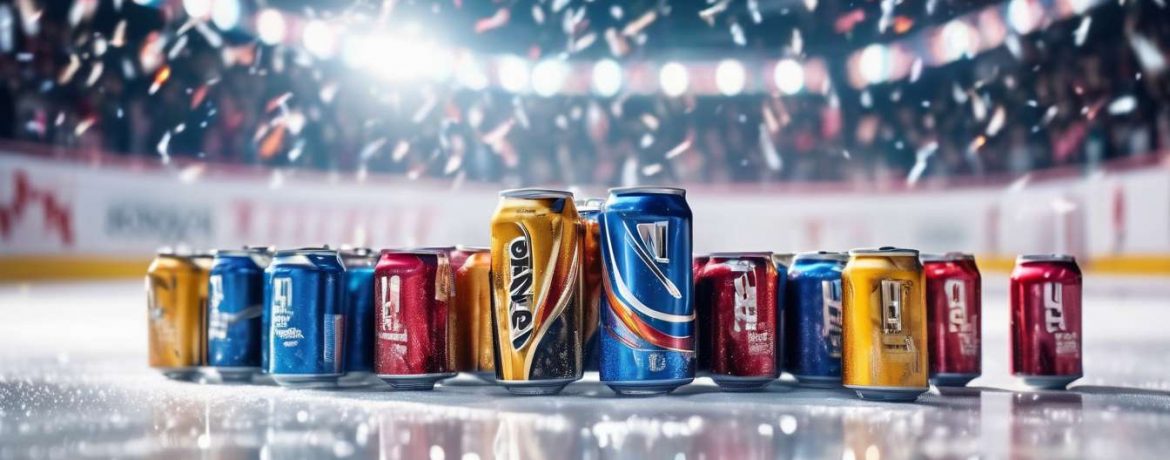
“On the ice, energy drinks are the fuel that powers hockey players to victory,” remarked a seasoned coach, capturing the essence of these beverages in athletic competition. The high-intensity demands of hockey require players to be at their peak performance, both physically and mentally.
Energy drinks, known for their stimulating effects due to ingredients like caffeine and taurine, have become a staple among athletes seeking to enhance endurance and focus.
However, the influence of energy drinks extends beyond the rink. Their popularity has surged across various sports and even into everyday life, attracting a wide spectrum of consumers.
As the market grows, so does the debate surrounding their benefits and potential risks. Understanding the impact of these beverages on performance, recovery, and overall health is crucial, not only for athletes but for all consumers who rely on them for that extra boost.
Analyzing these factors can provide clearer insights into:
- When and how they should be incorporated into training
- How they fit into daily routines
For those interested in exploring these options, you can easily buy these in an online store.
Benefits of Energy Drinks for Hockey
Energy drinks can enhance hockey performance by boosting energy levels and improving focus on the ice.
These beverages often contain caffeine and other stimulants, which can increase alertness and concentration—crucial elements for athletes engaged in high-intensity sports like hockey. The ability to maintain sharp focus during a game can be a distinguishing factor in a team’s success.
Moreover, energy drinks provide a quick source of carbohydrates, which serve as immediate fuel for the body. This rapid energy supply can be particularly beneficial during prolonged or demanding matches, where maintaining peak performance is essential.
Additionally, the inclusion of certain vitamins and amino acids in these drinks may aid in reducing fatigue, thereby supporting prolonged endurance.
Recovery is another aspect where energy drinks can play a supportive role. Some formulations include ingredients that help replenish electrolytes lost through sweat, thus assisting in faster recovery post-exertion.
By promoting efficient recovery, players can return to training and competition with reduced downtime, fostering team cohesion and sustained high performance.
Risks Associated with Energy Drinks
Despite their benefits, energy drinks can pose several risks to hockey players, including potential side effects from excessive caffeine and sugar consumption.
Caffeine-Related Risks:
- Elevated caffeine levels may lead to:
- Increased heart rate
- Anxiety
- Sleep disturbances
These effects can ultimately affect a player’s ability to maintain peak performance and efficient recovery.
Sugar-Related Risks:
- High sugar content contributes to:
- Rapid spikes in blood sugar
- Subsequent crashes
These fluctuations can impair sustained energy levels during games and practices.
Dehydration Concerns:
- Energy drinks, when consumed in large quantities, may lead to dehydration because caffeine acts as a diuretic.
- Dehydration can further hinder performance and delay recovery.
Therefore, it is vital for players to monitor their intake carefully.
Nutritional Balance:
- Overreliance on energy drinks might lead athletes to neglect essential nutrition and hydration practices necessary for optimal performance and recovery.
Team Environment Considerations:
- In a team setting, where unity and shared goals are paramount, understanding the potential risks associated with energy drinks can:
- Foster informed decisions
- Promote healthier, more sustainable choices among players

Performance Enhancement with Energy Drinks
Many hockey players find that moderate consumption of energy drinks can provide a temporary boost in stamina and focus. These beverages often contain caffeine and other stimulants, which are known to enhance alertness and concentration during intense physical activities.
In the competitive environment of hockey, where split-second decisions are crucial, these enhancements can contribute to improved performance on the ice. The increased energy levels may allow players to maintain a high level of intensity throughout the game, potentially leading to more successful outcomes.
Energy drinks can also play a role in optimizing performance by delaying the onset of fatigue. By sustaining energy levels, players may experience prolonged endurance, which is valuable in a sport demanding both physical and mental resilience.
It is important, however, to approach energy drink consumption with caution. Ensure that it complements a balanced nutrition and hydration strategy by considering the following:
- Balancing nutrition to support sustained performance.
- Hydration strategy to maintain overall health.
- Being mindful of the broader aspects of recovery.
Adopting this approach helps support sustained performance while being mindful of overall health.

Recovery Support from Energy Drinks
Many athletes rely on specific ingredients in energy drinks, such as electrolytes and B-vitamins, to aid in post-game recovery and muscle repair. These components play a crucial role in replenishing essential nutrients lost during intense physical exertion, thereby supporting optimal performance and reducing recovery time.
Electrolytes help maintain fluid balance, which is vital for:
- Muscle function
- Overall hydration
B-vitamins contribute to energy metabolism, assisting in the restoration of energy levels post-exercise.
For hockey players and other athletes, energy drinks can serve as an effective recovery tool. By incorporating these beverages into their recovery routines, athletes can experience:
- A reduction in muscle soreness
- Less fatigue
- Enhanced ability to return to training swiftly
Energy drinks designed for recovery not only support physical recuperation but also foster a sense of community among those seeking to optimize their athletic performance. They create a shared experience for athletes striving to excel in their respective sports.

Impact on Mental Focus
Many hockey players find that the caffeine and taurine in energy drinks significantly enhance their mental focus during games and practice sessions. These ingredients are known for their potential to improve cognitive performance, which can lead to heightened awareness and quicker decision-making on the ice.
The mental clarity provided by energy drinks is often linked to improved coordination and concentration. This contributes to:
- A more cohesive team dynamic
- A sense of belonging among players
Research suggests that the strategic use of energy drinks can result in enhanced performance and more effective recovery. The boost in mental focus allows athletes to maintain a high level of engagement, reducing errors and increasing overall efficiency.
This heightened state of alertness is crucial during intense competitions where split-second decisions can impact the outcome. As athletes strive for excellence, the role of energy drinks in supporting both mental and physical aspects of performance becomes increasingly relevant.
This fosters a community united by shared goals and achievements.

Considerations for Everyday Consumption
When considering everyday consumption, it’s crucial to weigh the potential health risks associated with frequent energy drink intake. Energy drinks, while often marketed for enhanced performance and accelerated recovery, may pose significant health concerns when consumed regularly.
Excessive caffeine and sugar content can lead to undesirable side effects, including:
- Increased heart rate
- Elevated blood pressure
- Potential disruptions in sleep patterns
Consuming these beverages daily may undermine athletic performance and recovery in the long term due to the body’s potential dependency on stimulants for energy.
Moreover, the community of athletes and health-conscious individuals should remain informed about the ingredients commonly found in energy drinks. Understanding the balance between short-term performance boosts and long-term health implications fosters a sense of belonging among those striving for optimal physical condition.
Evaluating the necessity of energy drinks within daily routines ensures that individuals make informed choices that support their overall well-being and athletic goals. This highlights the importance of moderation and awareness.